2026年10月26日,北京——当紫禁城六百年的文化脉络邂逅丝绸经纬中的东方叙事,一场关于时间、记忆与文化身份的艺术对话于北京王府井文华东方酒店展开。近日,北京王府井文华东方酒店携手艺术机构美博文化,共同呈献当代艺术家于瑜全新艺术展览《出·东方——从织物出发的语义旅行》,通过当代艺术视角重新审视“东方”这一历久弥新的文化概念,为宾客带来一场融合历史传承与当代思考的沉浸式艺术体验。
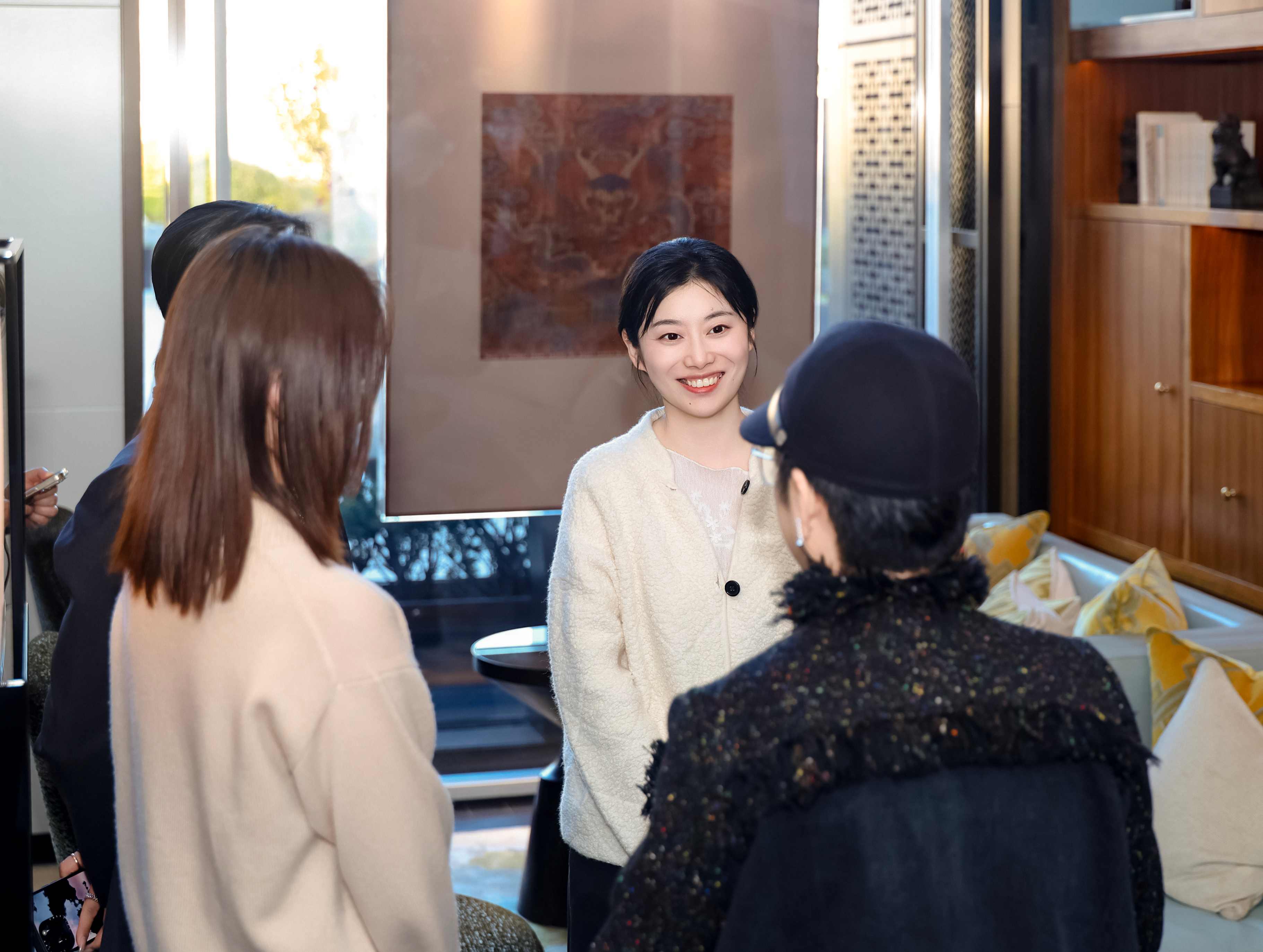
展览灵感源于汉代织锦珍品“五星出东方利中国”,以及艺术家正在持续创作的项目《艾德莱斯之梦》。从新疆和田尼雅遗址出土的汉代织物,到承载丝路文明交流记忆的艾德莱斯绸,于瑜以纺织材料为媒介,追溯不同历史语境中“东方”的生成与演变,并以当代艺术语言重新诠释这一古老而开放的命题。

坐落于北京中轴线核心区域的北京王府井文华东方酒店,始终以“邻听紫禁城的心动”为题讲述酒店的故事,将古都文脉与当代生活巧妙连接。在故宫红墙与城市脉搏交汇之处,酒店持续通过艺术、文化与在地体验,为宾客创造更具启发性的文化探索旅程。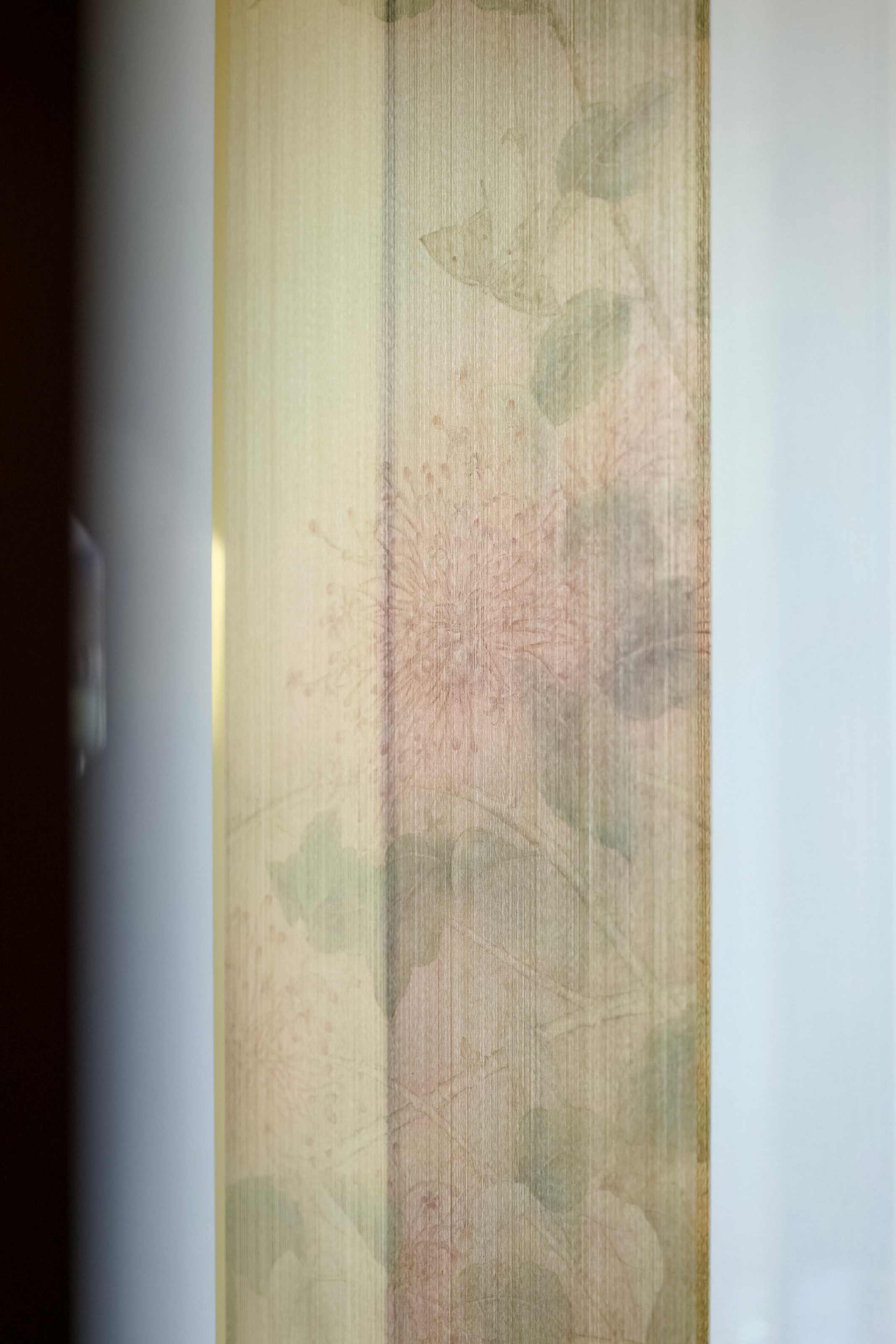
作为国内较早专注于东方美学当代转译的文化机构,美博文化自2009年创立以来,持续探索传统文化与当代艺术之间的融合路径。

此次展览正是北京王府井文华东方酒店与美博文化在东方美学议题上的同频共振。循着艺术家于瑜以织物为媒介重释东方文明的创作脉络,双方共同构建一处连接历史与当下、艺术与生活的文化场域,在经纬交织之间,展开关于东方精神与当代意义的深层对话。
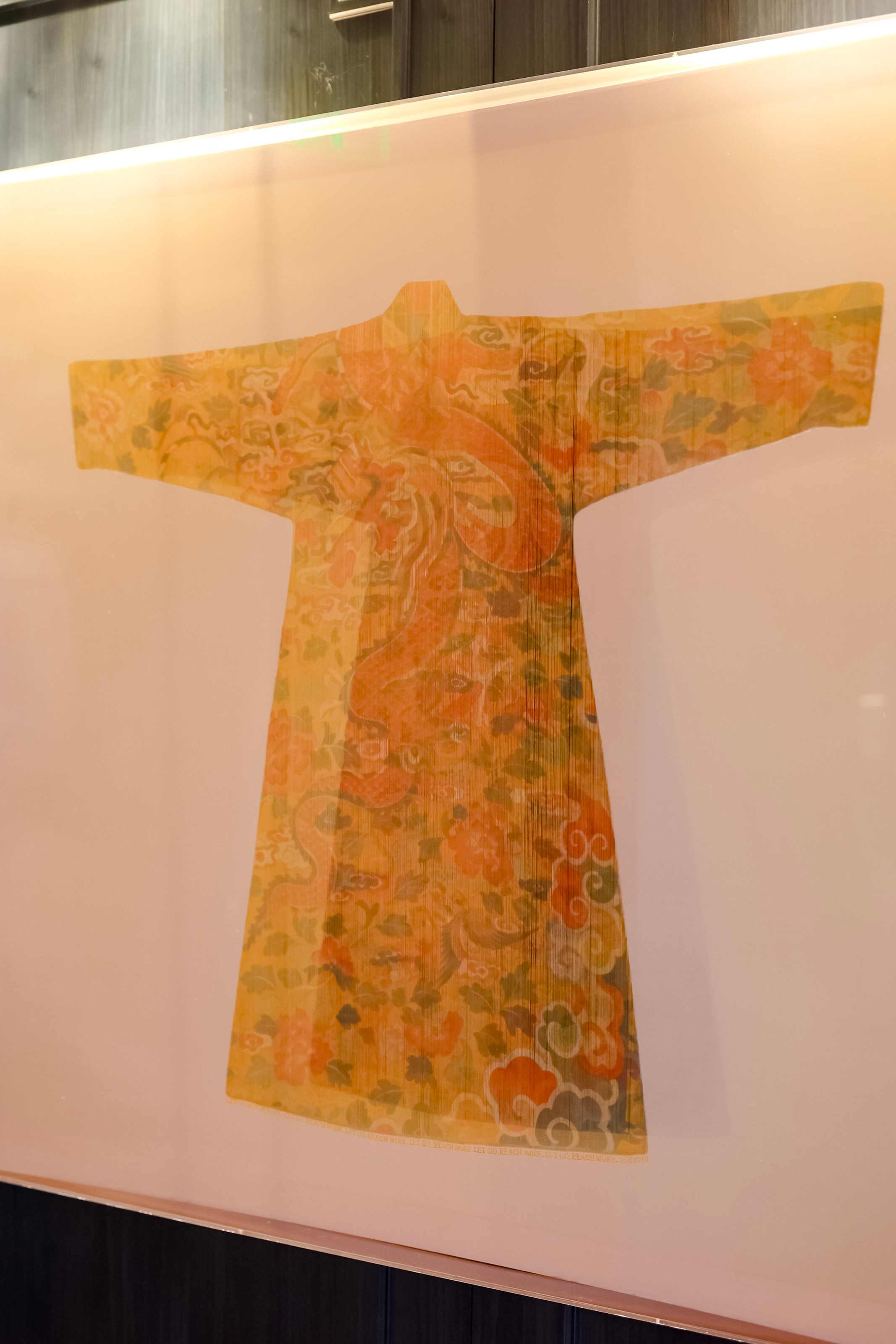
展览期间,酒店公共区域同步展出艺术家于瑜创作的13幅桑蚕丝艺术作品。艺术家以东方传统丝绸为载体,以细腻的肌理与层叠的色彩构筑诗意视觉语言,在经纬交织之间呈现含蓄、雅致而富有当代气息的东方美学表达,为宾客带来一场沉浸式的艺术体验。
《出·东方》不仅是一场关于织物与材料的艺术呈现,更是一次关于“东方”的重新凝视。当经纬交织成纹理,当时间沉淀为记忆,关于东方的想象与表达依然不断流动、生长与焕新。正如日出之地所象征的光明与希望,“东方”始终是一种面向未来的文化能量。
Orient Emerging: Weaving Narratives of the East
Mandarin Oriental Wangfujing, Beijing Presents a New Exhibition with Artist Yu Yu
November, 2026, Beijing — Where the cultural legacy of the 600-year-old Forbidden City meets the rich narratives woven into silk, a captivating dialogue on time, memory, and cultural identity unfolds at Mandarin Oriental Wangfujing, Beijing. In collaboration with Mibo Arts, the hotel is pleased to present Orient Emerging: Weaving Narratives of the East, a new exhibition by contemporary artist Yu Yu. Through a contemporary artistic lens, the exhibition re-examines the ever-evolving concept of the “Orient,” inviting guests on an immersive journey that bridges historical heritage with modern reflection.
Inspired by the renowned Han Dynasty textile inscription “Five Stars Rise in the East, Benefiting China” and Yu Yu’s ongoing artistic project The Dream of Atlas, the exhibition traces the many meanings and interpretations of the East across time and geography. From the celebrated textile unearthed at the Niya archaeological site in Hotan, Xinjiang, to Atlas silk, a fabric imbued with the cultural legacy of the Silk Road, Yu Yu employs textile materials as a lens through which to examine the continual formation and transformation of the idea of the “Orient,” reinterpreting this ancient and ever-evolving concept through a contemporary artistic language.
Located in the heart of Beijing’s historic central axis, Mandarin Oriental Wangfujing, Beijing tells its story through the brand narrative, “The Beating Heart of the Imperial Palace.” Bridging the city’s rich imperial heritage with contemporary urban life, the hotel continues to offer thoughtfully curated cultural experiences that inspire guests to discover Beijing through art, culture and a profound sense of place.
As one of China’s pioneering cultural institutions devoted to the contemporary interpretation of Oriental aesthetics, Mibo Culture has, since its establishment in 2009, been committed to exploring new dialogues between traditional heritage and contemporary artistic expression.
This exhibition embodies the shared vision of Mandarin Oriental Wangfujing, Beijing and Mibo Culture in celebrating and reinterpreting Oriental aesthetics. Echoing artist Yu Yu’s ongoing exploration of Eastern civilisation through textile-based art, the collaboration creates a cultural platform that bridges past and present, art and everyday life. Within the intricate interplay of warp and weft, a meaningful dialogue unfolds, reflecting on the enduring spirit of the Orient and its evolving significance in the modern world.
Throughout the exhibition period, 13 silk artworks by Yu Yu will be displayed throughout the hotel’s public spaces. Using traditional Chinese silk as her canvas, the artist creates poetic visual narratives through delicate textures and layered colour palettes. The works embody an understated yet refined aesthetic, capturing the essence of contemporary Eastern artistry while inviting guests into an immersive cultural encounter.
More than an exhibition of textiles and materials, Out of the Orient is an invitation to reconsider what the “Orient” represents today. As warp and weft intertwine, and as time settles into memory, notions of the East continue to evolve, renew and transform. Much like the rising sun that has long symbolised light, renewal and hope, the Orient remains a source of cultural inspiration and possibility for the future.
|
|


《新旅行》杂志社:北京市朝阳区朝外大街22号泛利大厦10层 邮编:100020
811,Prime Tower,22 Chaoyangmenwai Ave,Beijing. 100020 P.R.China
广告邮箱:chenyan@seec.com.cn
京ICP证[010201号] 增值电信业务经营许可证[B2-20040250] 广告经营许可证[京海工商广字第0407号]
 京公网安备 11010502031380号


